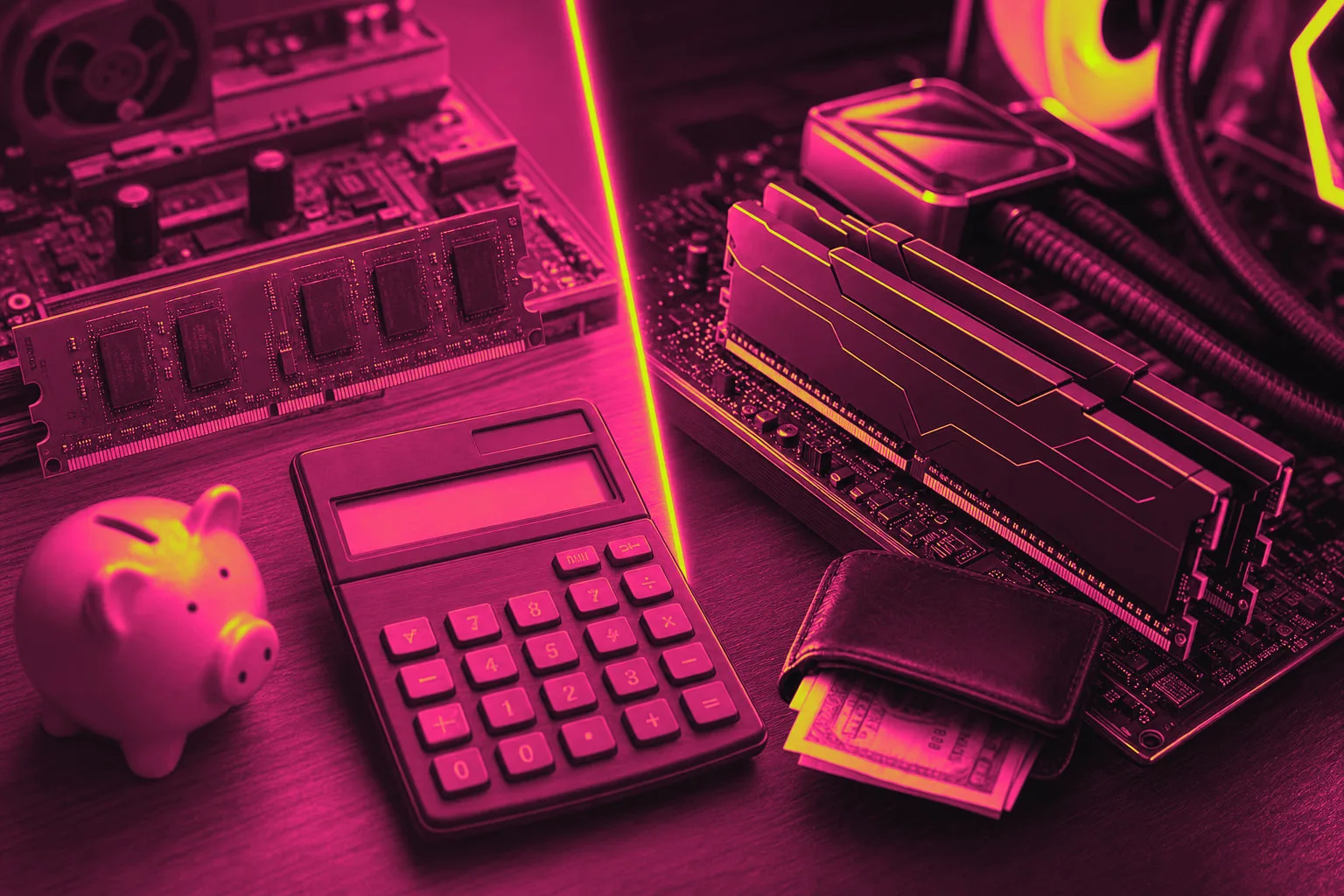
RAM prices are back to 2007 levels — what that means for PC gaming and hardware budgets
A researcher says we 'undid about 20 years of progress' on memory costs; a direct comparison of 2007 RAM kits and modern modules shows why players feel the pinch.
What happened and why it matters
Memory prices have climbed during the ongoing global memory shortage, and that rise is large enough to erase decades of price improvement. Daniel Lemire, a scientist and software performance expert, posted on X that, on a historical basis, "computer memory has been falling at an exponential rate for decades. But we just undid about 20 years of progress. RAM on a per unit basis is about as expensive as it was in 2007."
That matters because memory is a basic component for PC gaming and for many modern consoles and services. When per-gigabyte costs sit where they did nearly two decades ago, upgrading a PC or keeping a gaming-capable system current becomes more expensive for players.
How the comparison was done
The exercise behind this story compares real retail RAM kits a typical player would have used in 2007 with current kits available today (2026). The writer dug into old forum posts and found they owned a 4 GB (2x 2 GB) DDR2-800 kit back in 2007; a linked product page for a DDR2 kit from that era was used as a reference.
The comparison focuses on per-unit costs — dollars per gigabyte — rather than raw capacity or performance. The source frames the result as stark: per-unit RAM is roughly as expensive now as it was in 2007, matching Lemire's observation. The source does not publish the detailed price figures in this summary, so we can't reproduce exact dollar values here.
Why players should care
- PC gaming upgrades: Higher per-gigabyte memory costs affect the total price of PC upgrades and new builds. Players budgeting for VRAM, system memory, or faster kits will see those line items carry more weight.
- Longer upgrade cycles: When memory is pricier, some players delay upgrades or accept lower-spec systems longer, which affects how and when they access new releases and features tied to higher specs.
- Broader hardware market signals: Memory is a commodity used across devices. A sustained price increase can ripple into component availability and overall PC hardware costs, influencing timing for purchases tied to video games and PC gaming events.
What to watch next
Keep an eye on memory supply reports and price-tracking updates. The source attributes the change to the global memory shortage but does not specify when prices might fall again. For players, the immediate takeaway is practical: factor current memory pricing into PC upgrade plans and expect that per-gigabyte cost is a meaningful part of total system cost through at least 2026 unless supply conditions change.
02Keep reading
Square Enix Q1 profit soars following Final Fantasy 7 Rebirth launch on Switch 2 and Xbox

Nintendo Confirms The Legend of Zelda: Ocarina of Time Remake for Nintendo Switch 2 in 2026

Remedy's Q2 revenue falls 40% as CONTROL Resonant wishlists top 1.5M; Alan Wake 2 reaches 3M sales